
Asad Choudhry
Owner, Glam Kitchens Ltd.
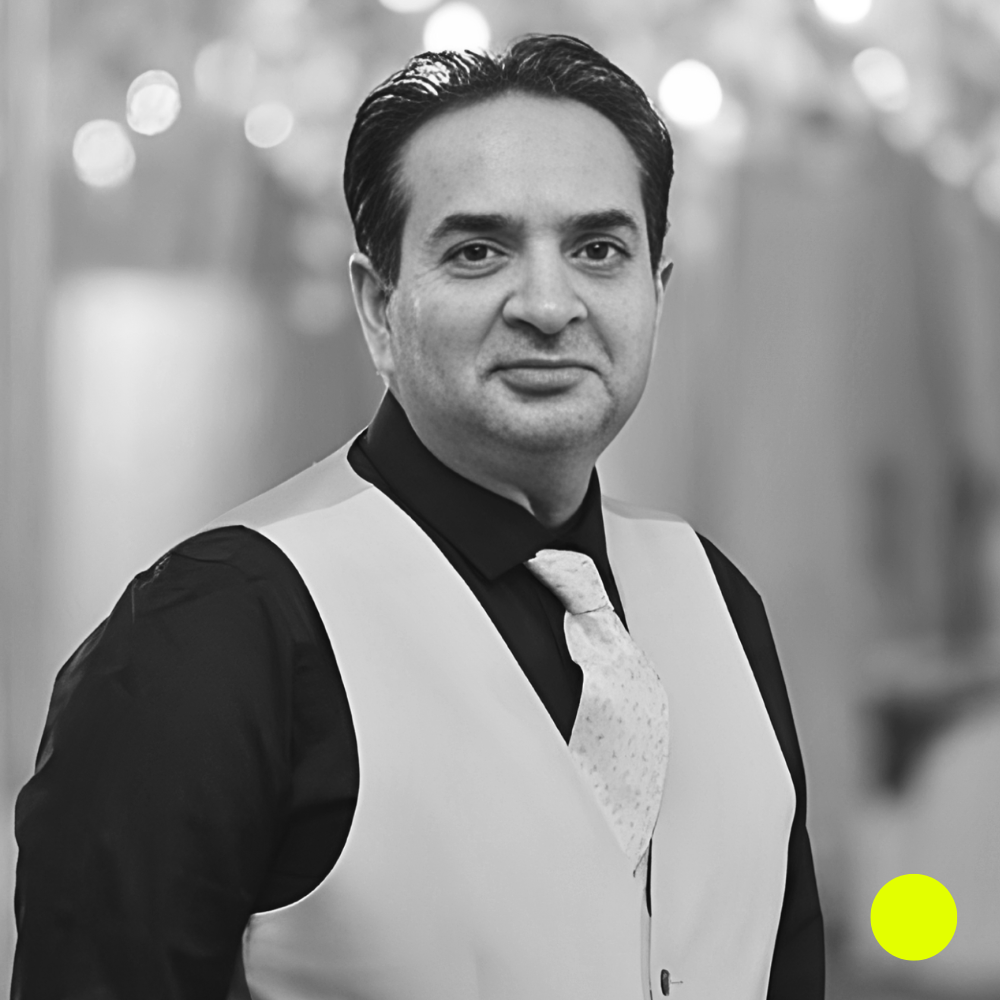
Asad Choudhry discusses how he built a successful business by ditching the traditional showroom model in favour of hyper-convenient, personalised in-home services and transparent digital marketing.
How did you come up with Glam Kitchens?
Asad: COVID was really the turning point. I had been working in the KBB industry for nearly 17 years when I lost my job. Before that, I’d worked extensively across multiple levels in some big companies including Kitchens Direct, Moben Kitchens and Nobilia, and I’d been the regional manager for Tesco Kitchens back in the day.
I’ve always liked challenges – most of my career had involved high-risk, high-responsibility and often commission-only roles – and I had an MBA in Sales and Marketing too. I wanted to apply all of this experience and knowledge to my own business, so I started Glam Kitchens.
You started a business at a time when so many others were closing down – that must’ve felt like a real leap of faith.
Asad: It was, but my experience had trained me to handle tough situations and manage tricky projects. I’d had hands-on experience in kitchen design, sales, retail, project management, and trades – there was really no limit to what I could do in those roles. That foundation gave me the confidence to start my own business during uncertain times. We've seen consistent growth and haven't looked back since.
Have you seen a shift in customer expectations over the years?
Asad: Yes, definitely: customers today are much more computer savvy, social media active, and knowledgeable. They research and go with companies that look after them.
How has Glam Kitchens evolved to cater to this shift?
Asad: We’ve become much more focused and service-oriented. Initially, we took on whatever projects came our way – kitchens, bedrooms, bathrooms – even garage conversions. However over time, we’ve narrowed our offer quite a bit: kitchens now make up about 90% of our business.
Removing and fitting kitchens can be a stressful process for customers and the companies that provide excellent service are the ones that survive.
Customers often don’t know what challenges might come up. That’s why we provide complete project management so that customers don’t have to deal with trades at all, making everything smooth and easy.
Visiting people’s homes is crucial for our business … being in their own environment helps us understand their needs, guide design decisions, and build trust. I also keep in touch constantly, often late at night via WhatsApp, so customers feel supported throughout the journey.
How do you define “good service” in the KBB industry?
Asad: For us, good service is taking care of the customer from start to finish, building their confidence and keeping them happy. That means handling everything in-house, from planning to installation. We know we’re doing a good job because our fitters are always coming back with tips and chocolates from happy customers.
What's one thing you feel businesses should be paying more attention to if they want to succeed?
Asad: Many businesses don’t take enough time to get to know their customers. Experience has taught me that understanding customer expectations is key: the KBB industry is much more service-oriented now, and the companies that provide exceptional service are the ones that survive.
My approach is to manage the entire project personally. That, combined with excellent service and clear communication sets us apart from competitors.
You post a lot of raw video footage and visual content online. Why is that such a big part of your marketing?
Asad: For me, it’s important to show real projects without artificially enhancing the visuals through Photoshop or AI. Posting genuine photos and videos gives our content a personal touch and shows customers what the projects actually look like. That way they can make informed choices about colours, worktops, and layouts. It also encourages user-generated content … our customers often share reviews with photos which helps build trust and shows what’s achievable.
How do you balance this with traditional marketing methods?
Asad: We take a nuanced approach. Yes, social media platforms like Facebook and Instagram are important, but we also work with lead generation and brand management companies. And of course, word of mouth is still key for us.
Showrooms are still seen as essential by many in the industry. How do you stay relevant without one?
Asad: Most of our clients are in central London, and they simply don’t have the time to visit a showroom. Our business model is very different from big players like B&Q or Howdens: we’re mostly an online company that thrives on working directly with customers.
Do our clients really need to come into a London showroom? We don’t think so. We get a two-hour slot and do everything at their house. How you engage with them and what you show them is key. By the time we walk out their door, they know the planning, the design, the products – everything, right down to the price. Then it’s just a case of deciding if we’re the right fit.
What aspect of your business model do you think resonates most with customers?
Asad: Showroom businesses typically operate from nine to five, but most customers are only free after work. We connect with our clients on their terms, whenever they have the time or an idea. I'm always in touch with our customers through WhatsApp, sometimes as late as 11 o'clock at night. That's how our "Fast Track Project Management" service works.
This approach is very different from companies like B&Q, who measure, prepare 3D designs, invite the customer to a showroom, present the price, and then give them a timeframe to decide. We believe our model is much more customer-centric, and that's a big reason why we're successful.
I also educate customers on the three important things to consider before making a decision: Product, Price, and Project Management. They need to ask: How good is the product and will it fulfill our requirements? Is the price affordable and a good investment? And finally, is the project management excellent? Good decisions are based on considering all three equally.
Appliances are a big part of kitchen design. Any favourites?
Asad: We frequently recommend Bosch appliances to our customers – ovens, hobs, and dishwashers. We have found them to be reliable, practical, and popular.
What excites you the most about the future of Glam Kitchens?
Asad: We are still very excited about maintaining our current business model. At the same time, we’re growing steadily and might consider a showroom in the future, especially if we start targeting higher-spec projects. For now, though, our focus is on doing excellent work and maintaining our service-first approach in everything we do.
If you could go back in time and do it all again, what’s one thing you’d do differently?
Asad: In hindsight, I would’ve started my business earlier. Circumstances probably led me to start later, but given the chance, I would’ve taken the leap sooner.